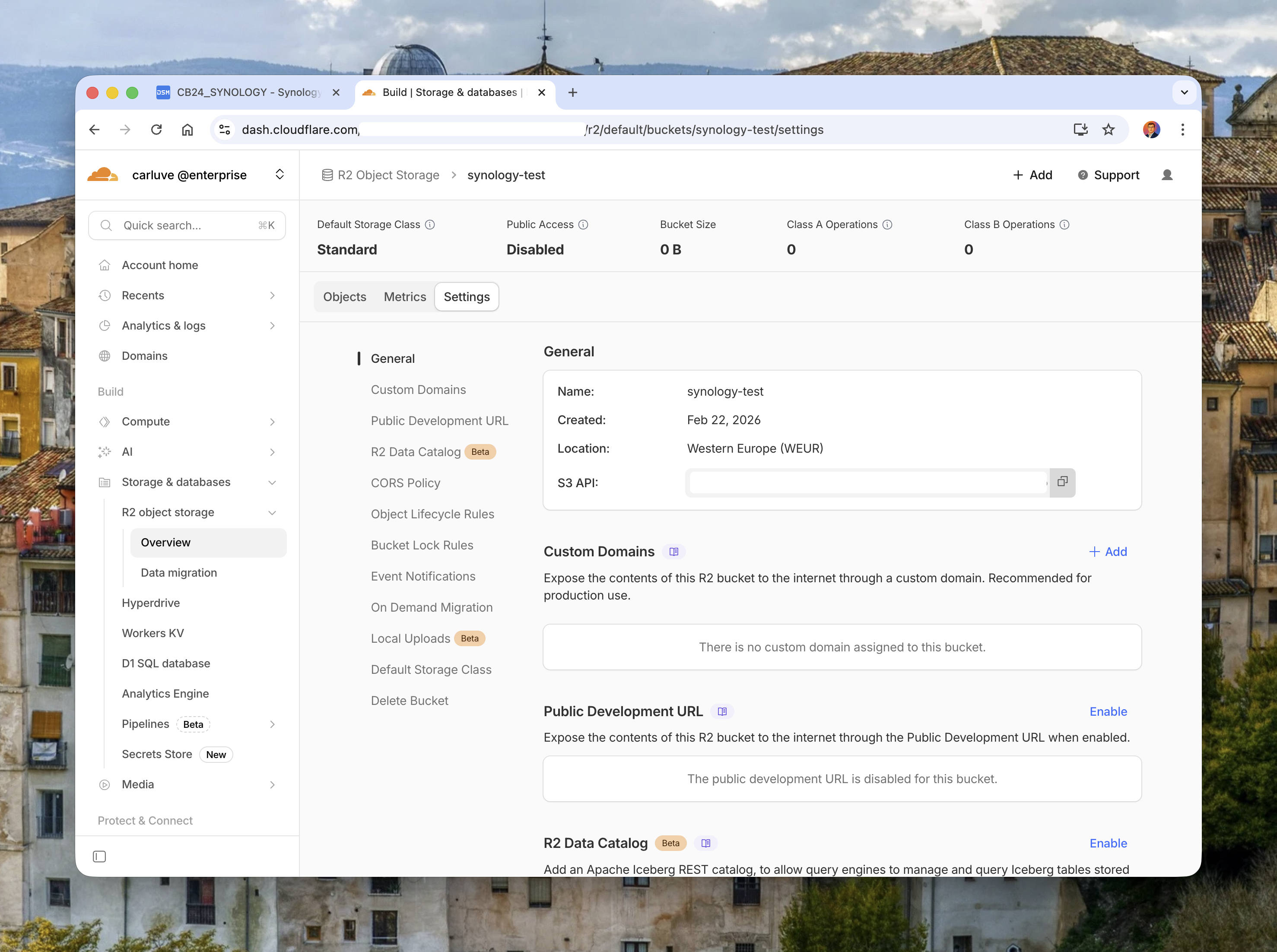
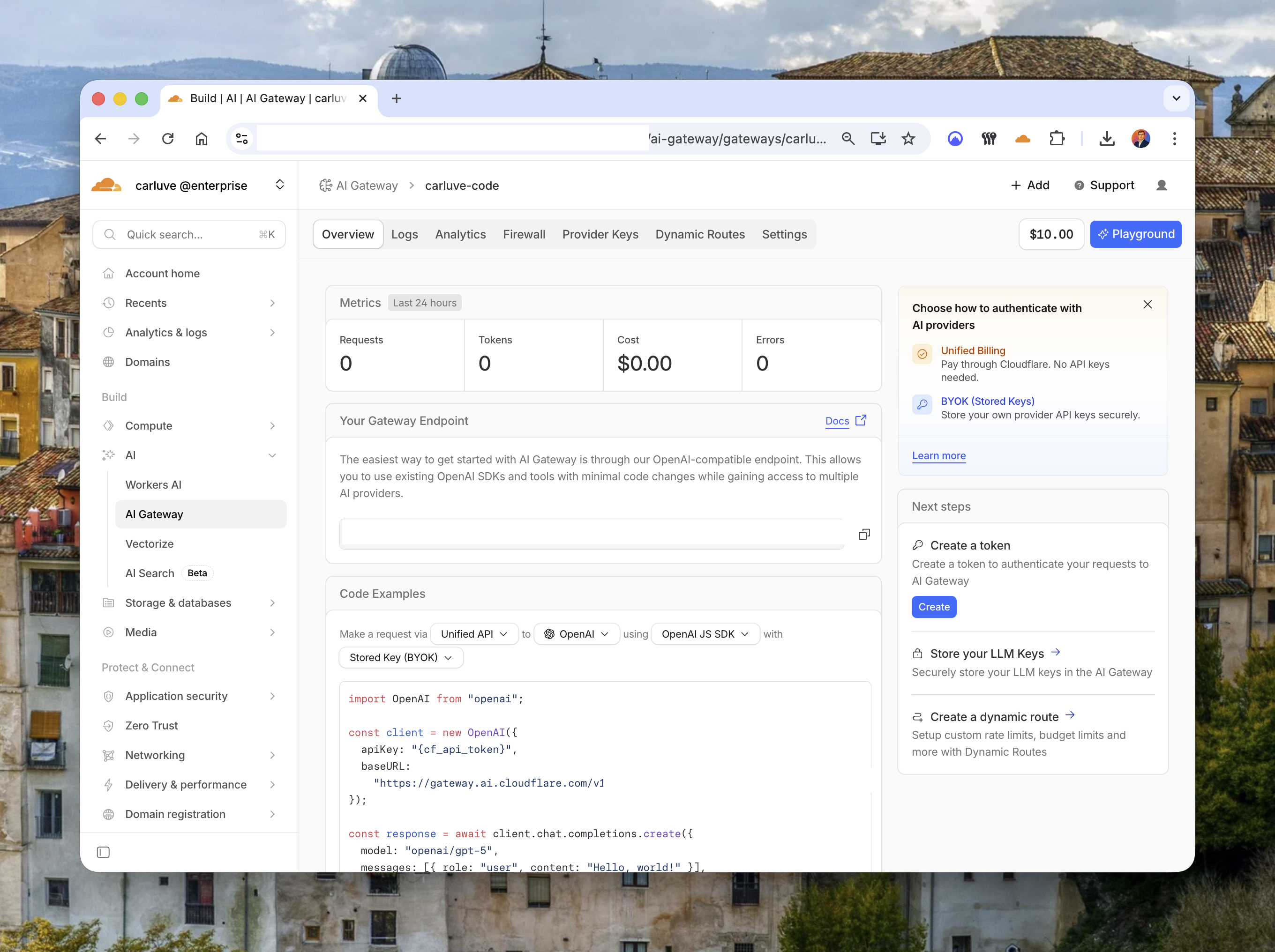
Cloudflare’s EmDash is often presented as a potential successor to WordPress, but that framing still feels too narrow. After deploying and testing it in a real setup—integrated with my personal site and protected through Cloudflare Zero Trust—it becomes clear that EmDash is not just another CMS. It represents a shift in how content platforms are designed, secured, and operated.
Traditional content management systems, particularly WordPress, were built around a model that made sense in a different era: stateful servers, PHP execution, database-centric logic, and a plugin ecosystem with very few boundaries. That flexibility enabled massive adoption, but it also introduced structural weaknesses. In practice, most vulnerabilities emerge not from the core, but from plugins operating with excessive permissions. Security becomes a matter of discipline rather than design.
EmDash takes a different route. Instead of trusting plugins and securing them afterwards, it constrains them from the beginning. Plugins run in isolated environments, permissions are explicit, and there is no implicit access to the system. This is not a marginal improvement—it is a rethinking of the model. The architecture reflects that: TypeScript-first, Astro for the frontend, and execution on Cloudflare Workers using V8 isolates. The result is a CMS that behaves more like a modern distributed application than a traditional platform.
In my own setup, this becomes particularly visible when combined with Zero Trust. Rather than exposing a conventional admin panel, access to the backend is protected at the edge. There is no public login endpoint, no password handling within the CMS, and no obvious attack surface.

Authentication is fully delegated to Cloudflare Access. The login flow is externalised, identity-based, and enforced before the request reaches the application. This shifts security up the stack. Instead of embedding authentication inside the CMS, it becomes an infrastructure concern, handled consistently and centrally.

The admin interface itself is clean and intentionally minimal. It provides the expected capabilities—posts, media, and content management—without the accumulated complexity that often characterises mature CMS platforms. Navigation is fast, and the experience aligns with modern frontend standards, though it is clearly still evolving.

On the frontend, Astro introduces a clear separation between content and presentation. This is a significant departure from traditional WordPress themes, where logic and rendering are often intertwined. The result is a more structured and maintainable approach, closer to modern frontend engineering practices.

The most interesting—and uncertain—aspect of EmDash is its plugin model. Technically, sandboxed plugins with explicit permissions are a clear improvement. They enforce boundaries, reduce risk, and make the system more predictable. However, the success of WordPress has always been driven by its ecosystem rather than its architecture. EmDash inverts that logic: it starts with a strong architectural foundation and aims to build the ecosystem afterwards.
There is also a broader strategic dimension. While EmDash can theoretically run outside Cloudflare, its design is closely aligned with Cloudflare’s ecosystem. Workers, R2, and Access are not just integrations—they are where the model fully comes together. This introduces a degree of platform dependency, but it also reflects a wider industry trend: infrastructure, security, and application layers are increasingly converging.
From a practical standpoint, the advantages are clear. Security is built into the architecture, performance is inherent to the execution model, and operational complexity is significantly reduced. At the same time, the ecosystem is still emerging, and adoption will depend on how quickly developers and organisations embrace this new model.
EmDash is still early, but it promises a great deal. More importantly, it offers a credible glimpse into what the next generation of content platforms might look like—one where security, edge infrastructure, and developer experience are not afterthoughts, but foundational elements.